Older homes possess undeniable character. Architectural details, solid craftsmanship, and unique design elements often make them highly desirable. However, behind charming exteriors and decorative interiors, outdated electrical systems frequently present serious concerns. Rewiring older homes is not merely a modernization project—it is a critical investment in safety, electrical capacity, and long-term energy efficiency. As household power demands continue to rise, electrical infrastructure designed decades ago often struggles to keep pace. Understanding the importance of rewiring and the benefits it provides empowers homeowners to make informed decisions about protecting their property and enhancing daily living.
Many homes built several decades ago were wired to support minimal electrical loads. At the time, households relied on a handful of lights, basic kitchen appliances, and limited electronic devices. Today’s homes, by contrast, operate high-powered appliances, entertainment systems, home offices, electric vehicle chargers, and smart technologies. The strain placed on outdated wiring systems can result in frequent breaker trips, overheating conductors, and elevated fire risks. Rewiring addresses these challenges by replacing aging components with modern, code-compliant materials designed for higher capacity and improved safety standards. Talking to Jacksonville NC Electric expert will help you get a better understanding of your needs.
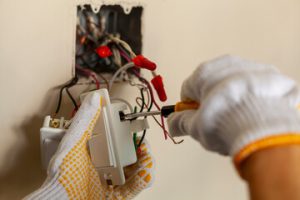
Safety is the primary reason homeowners choose to rewire older properties. Electrical fires remain one of the leading hazards in residential buildings, and deteriorating wiring is a common cause. Over time, insulation can become brittle and cracked, exposing conductors to heat and environmental damage. Connections may loosen due to temperature fluctuations and structural movement. Some older homes may still contain outdated wiring systems that lack grounding or rely on obsolete materials. These conditions significantly increase the likelihood of short circuits and electrical arcing. A comprehensive rewiring project eliminates these vulnerabilities by installing new wiring, secure connections, and modern protective devices.
One of the most significant safety improvements achieved through rewiring is the integration of advanced circuit protection. Modern electrical standards require protective technologies such as ground fault and arc fault interrupters. Ground fault protection reduces the risk of electric shock by interrupting power when a fault is detected. Arc fault protection identifies dangerous electrical arcs that could ignite surrounding materials. Older wiring systems rarely include these features. Rewiring ensures compliance with current safety expectations, greatly reducing potential hazards.
Capacity upgrades are another compelling reason to rewire older homes. Many properties built decades ago were equipped with 60-amp or 100-amp service panels, which are often insufficient for modern energy demands. Insufficient panel capacity can lead to overloaded circuits, flickering lights, and frequent breaker trips. Rewiring projects typically include upgrading the electrical service panel to accommodate 200 amps or more, depending on household needs. This expansion provides room for additional circuits and dedicated lines for high-demand appliances such as air conditioning units, electric ranges, and home charging stations.
A properly executed rewiring project addresses several critical components:
- Replacement of outdated wiring with modern insulated copper conductors.
- Installation of new circuit breakers and upgraded electrical panels.
- Addition of dedicated circuits for high-demand appliances.
- Implementation of grounding and bonding systems for improved safety.
- Integration of modern protective devices, such as ground fault and arc fault interrupters.
In addition to safety and capacity, rewiring older homes contributes significantly to energy efficiency. Aging wiring systems may suffer from voltage drops, loose connections, and inefficient load distribution. These issues can cause appliances to work harder, consuming more electricity and shortening their lifespan. Modern wiring ensures stable voltage delivery, reducing energy waste and optimizing appliance performance. Homeowners often notice improved lighting consistency and more reliable operation of electronic devices following a rewiring project.
Rewiring also presents an opportunity to modernize lighting systems. Many older homes rely on outdated fixtures and inefficient incandescent bulbs. Upgrading wiring allows for seamless installation of energy-efficient LED lighting, dimmers, and smart controls. These improvements reduce energy consumption while enhancing comfort and convenience. Properly designed lighting circuits distribute loads evenly, preventing localized overload and improving overall system balance.
Another advantage of rewiring involves the elimination of overreliance on extension cords and power strips. Older homes frequently lack sufficient outlets to meet modern needs, leading occupants to use temporary solutions that increase fire risk. During a rewiring project, electricians can strategically add outlets in convenient locations, ensuring compliance with spacing standards and improving usability. Additional circuits may be installed to prevent overloading and ensure that outlets deliver consistent power.
Home renovations often provide the ideal opportunity for rewiring. When walls are opened for remodeling projects, electricians gain easier access to existing wiring systems. This minimizes labor costs and simplifies the installation of new conductors. Kitchens, bathrooms, and home offices are especially common areas for electrical upgrades due to higher energy demand and specific safety requirements. Coordinating rewiring with renovation plans ensures that improvements align with long-term usage goals.
There are several clear signs that an older home may require rewiring:
- Frequent breaker trips or blown fuses.
- Flickering or dimming lights during appliance operation.
- Discolored or warm outlets and switches.
- Two-prong outlets are lacking proper grounding.
- Persistent burning odors or buzzing sounds from walls.
- The limited panel capacity cannot support modern appliances.
Ignoring these warning signs can result in escalating problems. Electrical systems do not improve over time; they deteriorate gradually. Proactive rewiring addresses issues before they lead to costly repairs or hazardous conditions. Homeowners who delay upgrades may face higher expenses if damage spreads to structural components or appliances.
Grounding systems deserve particular attention in older homes. Proper grounding provides a safe pathway for excess electrical current, reducing the risk of electric shock. Many older properties lack comprehensive grounding, leaving appliances and fixtures vulnerable to voltage irregularities. Rewiring projects typically include installing grounding conductors and bonding connections to ensure that all components remain at the same electrical potential. This upgrade enhances safety while improving equipment longevity.
Rewiring can also increase property value. Prospective buyers often prioritize updated electrical systems when evaluating older homes. A modern, code-compliant wiring system reassures buyers that the property is safe and capable of supporting contemporary lifestyles. Documentation of completed electrical upgrades may also simplify home inspections and facilitate smoother transactions.
It is important to recognize that rewiring is a complex undertaking requiring professional expertise. Licensed electricians assess load requirements, design circuit layouts, and ensure compliance with current safety standards. They calculate proper wire gauge, breaker ratings, and panel capacity to prevent overload conditions. Attempting to perform extensive rewiring without professional training can lead to serious safety risks and code violations.
While rewiring represents a significant investment, the long-term benefits often outweigh initial costs. Improved safety reduces the likelihood of fire-related damage and insurance claims. Enhanced energy efficiency lowers monthly utility bills. Increased electrical capacity supports future upgrades, including smart home integration and renewable energy systems. By viewing rewiring as a long-term infrastructure improvement rather than a short-term expense, homeowners can appreciate its lasting value.
Rewiring also future-proofs homes against evolving technological demands. As electric vehicle chargers, home automation systems, and advanced appliances become more common, electrical loads will continue to increase. Installing sufficient panel capacity and flexible circuit distribution today ensures that homes remain adaptable for years to come. Planning for scalability during rewiring prevents the need for repeated upgrades as technology advances.
In conclusion, rewiring older homes is a strategic step toward improving safety, capacity, and energy efficiency. Aging electrical systems often struggle to meet modern demands, creating risks that compromise both property and occupants. Through replacement of outdated wiring, panel upgrades, enhanced grounding, and integration of modern protective devices, homeowners can transform their electrical infrastructure into a safe, reliable foundation for contemporary living. By investing in comprehensive rewiring, property owners not only protect their homes but also enhance performance, efficiency, and long-term value.